
Electrical Design Services in Logan, UT
Good Electrical Design Starts Before the First Wire Gets Run
Electrical rough in is where a project either gets set up for success or starts accumulating problems that show up later. We have walked into enough finished spaces where the rough in was rushed or poorly planned to know exactly what that looks like on the other end. Outlets in the wrong place. Not enough circuits for the actual load. Wiring that technically works but was never laid out with the finished space in mind.
Timberline Electric provides
electrical design services for new construction, additions, remodels, and commercial projects across Cache County, and we treat the planning side of the job with the same seriousness as the installation itself.
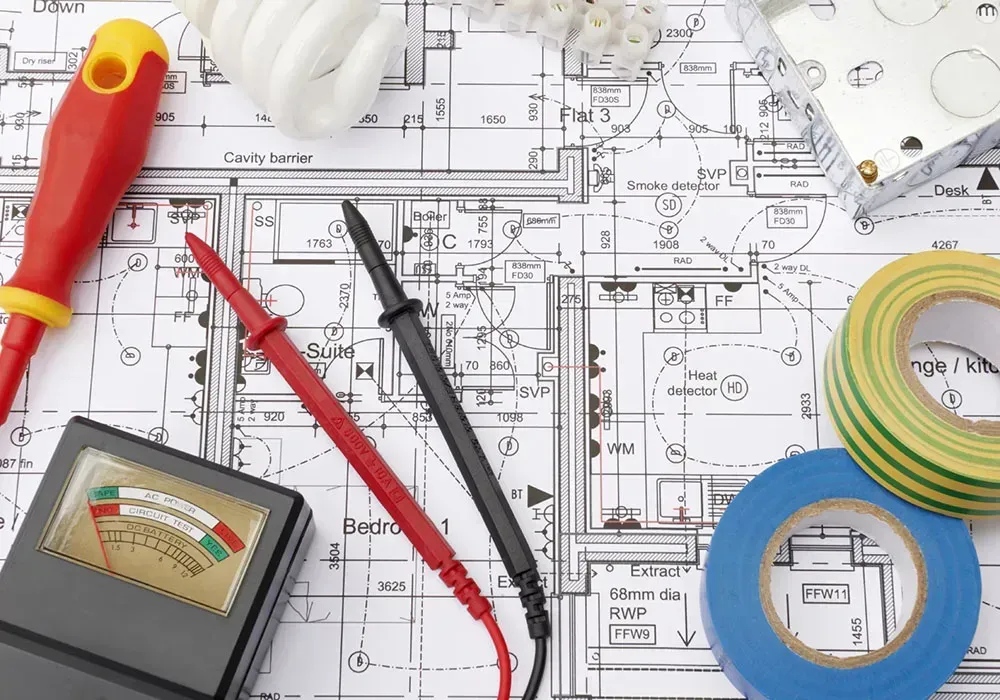
What Electrical Design Services Actually Cover
Electrical design is not just drawing lines on a page. It is understanding how a space is going to be used, what the load requirements are going to be, and how to lay out circuits, panels, and wiring paths in a way that is efficient, safe, and built to last.
Our electrical design and installation work covers the full scope from initial assessment through final inspection. That includes load calculations, circuit planning, panel sizing, electrical blueprint development, electrical permit drawings, and the rough in and finish work that brings the design to life. We do not hand off the design to a different crew. The team that plans it is the team that builds it.
Building in Cache Valley Means Designing for Cold, Growth, and Code
Cache Valley is growing. North Logan, Smithfield, and Providence are all seeing new residential construction, and the Logan area commercial corridor is expanding alongside it. At the same time, a significant number of homeowners are adding onto existing structures, finishing basements, building ADUs, or remodeling kitchens and bathrooms that were designed decades ago for a fraction of the electrical load they now need to carry.
Designing electrical systems in Cache Valley also means accounting for the climate. Cold winters mean heavy heating loads that need to be built into the circuit planning from the start. Homes at this elevation see real temperature swings, and the wiring, conduit, and connections in exterior walls and unheated spaces need to be specified accordingly. These are details that matter more here than they would in a milder climate, and they are details we account for because we have been working in this valley long enough to know what gets overlooked.
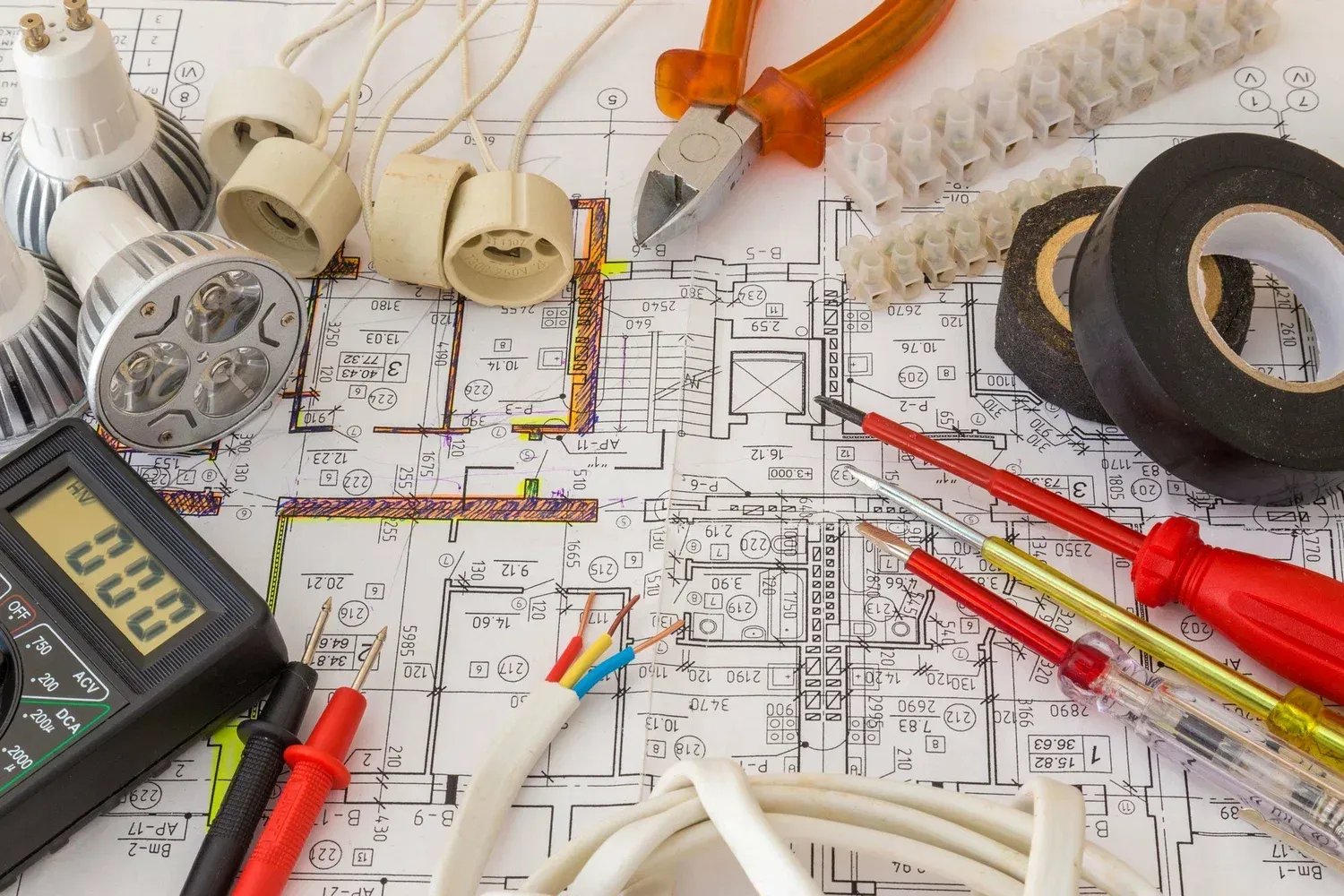
When You Need Electrical Design, Not Just an Electrician
Not every electrical job requires a formal design process. Swapping a breaker or adding an outlet does not. But there are situations where showing up without a plan creates more problems than it solves.
New construction always needs a full electrical blueprint before rough in begins. Home additions need circuit planning that accounts for the existing panel capacity and the new load being added.
Kitchen remodels almost always require kitchen electrical design work because modern kitchens need dedicated circuits for refrigerators, dishwashers, microwaves, and countertop appliances that older kitchens were never wired for. Commercial projects need commercial electrical design that meets Utah commercial code requirements and accounts for the specific load profile of the business operating in the space.
If you are starting a project and you are not sure whether you need a design process or just an electrician, call us. We will tell you honestly which one applies to your situation.
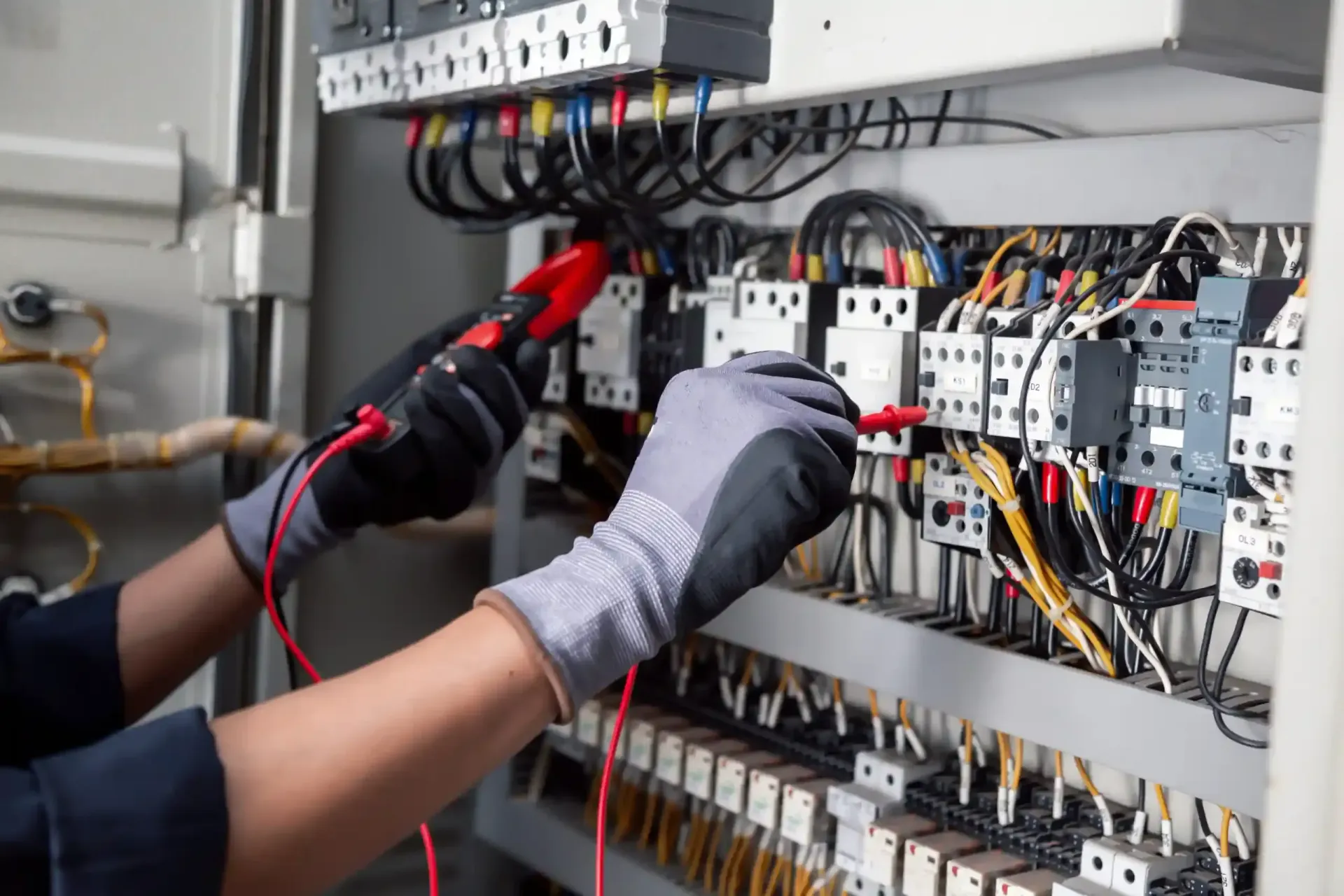

How We Plan and Execute an Electrical Design Project
We start with a site visit to understand the space, the intended use, and the existing electrical infrastructure if there is any. From that visit we develop a load calculation that tells us exactly what the system needs to support, which drives the panel sizing, circuit count, and wiring specifications.
From there we develop the electrical blueprint and electrical specification documents that define every circuit, every outlet location, every panel component, and every piece of conduit or cable run in the project. Those documents become the basis for the electrical permit drawings that get submitted to the local building department for approval.
Once permits are in hand, we move into rough in. That is where the physical work begins, running wire, setting boxes, installing conduit, and positioning everything according to the approved plans. After rough in inspection we proceed through to finish work, trim out, panel energization, and final inspection. Every step is documented and every inspection is scheduled and attended by our crew.
From Kitchen Electrical Design to Smart Home Wiring
Kitchen electrical design is one of the most common design requests we get from Cache County homeowners doing renovations. A kitchen that was wired in the 1980s typically has one or two circuits serving the entire space. Current code requires dedicated circuits for the refrigerator, dedicated circuits for countertop receptacles, a dedicated circuit for the dishwasher, and separate circuits for built in appliances like microwaves and ovens. Getting that right requires planning, not just running wire.
Smart home wiring design is an area we are doing more of every year as homeowners in new builds and major renovations choose to wire for automation from the start. That includes structured wiring for networking, dedicated circuits for smart panels and hubs, low voltage wiring for lighting control systems, and conduit pathways that make future upgrades possible without opening walls. Getting the infrastructure right during rough in makes everything easier down the road.
We Know Cache County Codes and the Inspectors Who Enforce Them
Commercial electrical design in Utah has to meet specific state and local code requirements, and those requirements are not always the same as what applied to the last commercial project someone worked on in a different county or state. We know the Cache County building department, we know what the local inspectors look for, and we know how to put together electrical permit drawings that do not come back with a list of corrections.
That local knowledge saves time and money on every permitted project we handle. A set of permit drawings that gets approved on the first submission moves the project forward. A set that comes back with corrections adds days or weeks to the schedule, and in construction those delays have real costs.
Design and Installation Across North Logan, Logan, and Cache County
Timberline Electric handles electrical design and installation projects across the full Cache County area including North Logan, Logan, Smithfield, Providence, Nibley, Wellsville, Tremont, Garden City, and Piram. We work on residential new construction, additions, remodels, accessory dwelling units, and commercial projects of varying scale.
If your project is in the planning stage, that is the right time to bring us in. The earlier we are involved, the more influence we have over getting the electrical layout right before anything is framed or drywalled.

One Crew From Blueprint to Final Inspection, No Handoffs
One of the things that creates problems on electrical projects is when the design and the installation are handled by different people. The installer does not always know what the designer intended, and the designer is not always available to clarify when questions come up in the field.
Timberline Electric does both. The crew that develops the electrical blueprint is the crew that does the rough in and the finish work. That continuity means fewer mistakes, faster problem solving when something in the field does not match the plan, and a single point of accountability from start to finish. We back every project with a 3 year warranty and we are available Monday through Friday from 9am to 5pm and on weekends by appointment.
Starting a Build or Remodel in Cache County? Call Timberline Electric First.
The best time to bring in an electrician on a new build or major renovation is before the framing starts. Once walls are up, options get limited and costs go up. If you are in the planning stage of a project in Cache County, give Timberline Electric a call and let us walk through the electrical side with you before anything gets locked in.
One conversation at the planning stage can save a significant amount of time and money before the project is done.
FAQs: Electrical Design in North Logan, UT
Do I need an electrical blueprint for a home addition in Utah?
Yes. Any permitted addition to a home in Utah requires electrical drawings as part of the permit application. Those drawings need to show circuit layouts, panel capacity, outlet and switch locations, and compliance with current NEC code as adopted by Utah. Timberline Electric prepares these documents as part of our design process and submits them on your behalf.
What is included in electrical permit drawings for a Cache County project?
Electrical permit drawings typically include a panel schedule showing all circuits and their ratings, a floor plan with outlet, switch, and fixture locations marked, notes on wiring methods and materials, and any special system details like dedicated circuits or low voltage wiring. The level of detail required varies by project scope and is something we tailor to what the local building department needs for approval.
How early in a build should I bring in an electrician for design work?
Ideally before framing begins. The electrical layout has implications for where walls go, where mechanical chases are located, and how plumbing and HVAC are routed. When an electrician is involved at the design stage, those systems can be coordinated rather than competing for the same space after the fact. In our experience, early involvement saves time, reduces conflicts, and produces a better finished result.
Can you design smart home wiring for an existing house in Cache County?
Yes, though the process is different than new construction. In an existing home we work with what is accessible and plan conduit pathways and wiring routes that minimize wall damage while still getting the infrastructure where it needs to go. The scope depends on what systems the homeowner wants to integrate and what the existing wiring can support. We assess the home and put together a realistic plan before any work begins.
What does electrical rough in involve on a Cache Valley build?
Rough in is the phase of electrical work that happens after framing and before drywall. It involves running all the wire or conduit through the framed walls and ceilings, setting electrical boxes at the correct heights and locations, installing any in wall blocking needed for panels or specialty fixtures, and positioning everything according to the approved electrical blueprint. Rough in work has to pass a inspection before drywall goes up, and getting it right at this stage is critical because fixing mistakes after drywall is significantly more expensive.